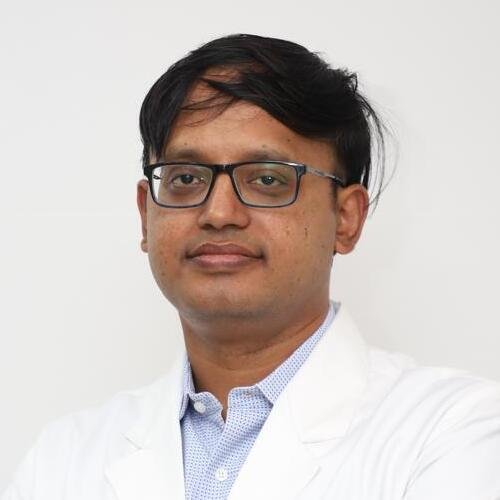
Dr Vaibhaw Kumar
Advanced Liver Transplant & Hepatobiliary Surgeon
Dr Vaibhaw Kumar is an advanced liver transplant and hepatobiliary surgeon specialising in the surgical management of complex liver diseases.
With experience in more than 2000 liver transplant procedures, he is involved in the treatment of patients with advanced liver failure, hepatobiliary tumours, pancreatic disorders, and complex gastrointestinal conditions.
He practices at Paras Health, Gurugram, a tertiary care centre equipped for multidisciplinary liver transplant care. Patients from across India and international regions seek consultation for advanced liver surgery and transplant evaluation.
Liver Transplant Specialist in India
Dr Vaibhaw Kumar focuses on the surgical management of advanced liver disease and hepatobiliary disorders that require specialised surgical care.
His clinical work includes living donor liver transplantation, hepatobiliary tumour surgery, pancreatic surgery, and complex gastrointestinal procedures.
He works closely with hepatologists, transplant physicians, oncologists, anaesthesiologists, and critical care specialists to ensure coordinated treatment planning for patients undergoing major liver surgery and transplant procedures.
Extensive Experience in Liver Transplant Surgery
2000+
Liver Transplant Procedures
Advanced
Hepatobiliary Surgical Expertise
Complex
High-Risk Liver Disease Cases
International
Patients from Multiple Countries
Clinical Areas of Expertise
Dr Vaibhaw Kumar performs advanced surgical procedures for patients with complex liver and gastrointestinal diseases.
These include liver transplantation for end-stage liver disease, surgery for liver tumours and hepatocellular carcinoma, bile duct cancers, pancreatic tumours, and complex hepatobiliary disorders.
Many of these conditions require careful surgical planning and evaluation within a multidisciplinary transplant program.
Clinical Surgical Focus Areas
Dr Vaibhaw Kumar performs advanced surgical procedures for patients with complex liver and gastrointestinal conditions. His clinical work includes liver transplantation and specialised hepatobiliary and pancreatic surgeries requiring precise surgical planning and multidisciplinary care.
Living Donor Liver Transplant
Living donor liver transplantation is a procedure in which a healthy individual donates a portion of their liver to a patient with advanced liver disease. This procedure allows timely transplant for patients with end-stage liver failure when a deceased donor organ may not be immediately available.
Deceased Donor Liver Transplant
Deceased donor liver transplantation involves replacing a diseased liver with a healthy donor liver obtained through organ donation. This treatment is commonly used for patients with advanced liver failure, acute liver failure, or certain liver cancers.
Liver Tumour Surgery
Surgical treatment for liver tumours including hepatocellular carcinoma and metastatic liver lesions may involve liver resection or advanced hepatobiliary procedures designed to remove cancer while preserving healthy liver tissue.
Bile Duct Cancer Surgery
Cholangiocarcinoma and other bile duct tumours require specialised hepatobiliary surgery. Treatment often involves complex liver and bile duct procedures performed within a multidisciplinary cancer care program.
Pancreatic Surgery
Advanced pancreatic surgery is performed for conditions such as pancreatic tumours, pancreatic cysts, and complex pancreatic diseases. These procedures require specialised surgical expertise and coordinated postoperative care.
Complex Hepatobiliary Surgery
Complex hepatobiliary procedures involve surgical treatment of conditions affecting the liver, bile ducts, and gallbladder. These surgeries are often required for tumours, strictures, or advanced liver diseases requiring specialised operative management.
Medical Training and Surgical Background
Dr Vaibhaw Kumar has undergone extensive surgical training in gastrointestinal and hepatobiliary surgery with a focus on liver transplantation.
His professional work involves managing complex liver diseases, performing advanced hepatobiliary procedures, and participating in multidisciplinary transplant programs.
Over the years he has been involved in the surgical care of patients requiring high-risk liver transplantation and complex gastrointestinal surgery.
Multidisciplinary Liver Transplant Care
Liver transplantation requires careful coordination between multiple medical specialties to ensure safe evaluation, surgical planning, and postoperative recovery. Patients with advanced liver disease often require comprehensive assessment before transplant surgery can be considered.
Dr Vaibhaw Kumar works within a structured multidisciplinary transplant program where specialists from different fields collaborate to evaluate each case and determine the most appropriate treatment plan.
This team-based approach helps ensure that patients receive thorough medical evaluation, appropriate surgical planning, and coordinated postoperative care throughout the transplant journey.
The liver transplant team typically includes:
- Hepatologists specialising in advanced liver disease
- Liver transplant surgeons performing complex transplant procedures
- Interventional radiologists involved in diagnostic and therapeutic imaging
- Anaesthesiologists experienced in transplant surgery
- Critical care specialists managing postoperative recovery
- Oncology specialists for patients with liver tumours
Working within a multidisciplinary transplant system helps ensure that each patient receives comprehensive care before, during, and after liver transplant surgery.
International Patients Seeking Liver Transplant in India
India has become an important destination for advanced liver transplant surgery due to experienced surgical teams, specialised transplant programs, and access to comprehensive multidisciplinary care.
Dr Vaibhaw Kumar regularly evaluates and treats patients who travel to India for liver transplant surgery and advanced hepatobiliary procedures.
Patients from several international regions seek consultation for liver transplant evaluation, including countries in the Middle East, Africa, and Central Asia. Many patients travel to India for specialised surgical care when advanced transplant services may not be easily available in their home countries.
Patients have travelled for treatment from regions including:
• Iraq
• Nigeria
• Uzbekistan
• Mongolia
• Central Asia
• Middle East
International patients typically undergo a structured process that includes remote medical record review, transplant evaluation, surgical planning, and coordinated postoperative follow-up.
Approach to Advanced Liver Surgery
The management of advanced liver disease requires careful clinical judgement, precise surgical technique, and coordinated postoperative care. Each patient’s condition is unique, and treatment decisions must be made after thorough medical evaluation and discussion within a multidisciplinary transplant team.
Dr Vaibhaw Kumar’s approach to liver transplant surgery focuses on careful patient assessment, structured surgical planning, and evidence-based treatment strategies. The goal is to provide safe surgical care while optimising outcomes for patients with complex liver and hepatobiliary conditions.
Careful Patient Evaluation
Every patient undergoing transplant evaluation requires detailed clinical assessment, including liver disease severity, overall health status, and transplant eligibility.
Evidence-Based Surgical Decisions
Treatment decisions are based on current clinical guidelines, transplant protocols, and multidisciplinary team discussion.
Precision Surgical Technique
Advanced hepatobiliary and transplant procedures require meticulous surgical planning and intraoperative precision.
Comprehensive Postoperative Care
Successful transplant outcomes depend on coordinated postoperative monitoring, critical care support, and long-term follow-up.
Consultation for Liver Transplant Evaluation
Patients diagnosed with advanced liver disease, liver tumours, or complex hepatobiliary conditions may require specialised surgical evaluation. Early consultation with a liver transplant surgeon can help determine transplant eligibility and identify the most appropriate treatment approach.
Dr Vaibhaw Kumar provides consultation for patients requiring evaluation for liver transplantation, hepatobiliary surgery, and complex gastrointestinal surgical conditions. Patients may seek consultation directly or through referral from their treating physician.